How Often Should a Swiss Watch Be Serviced?
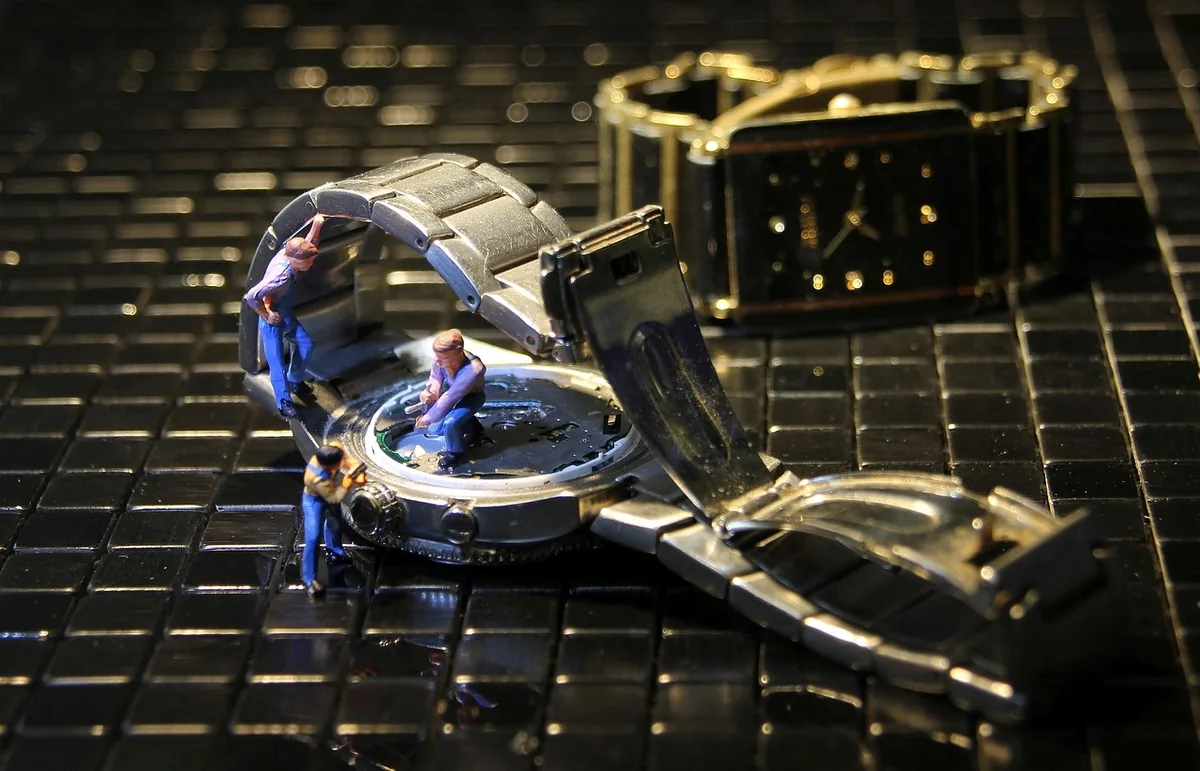
A Swiss watch is built to last for decades, but it does not run forever without attention. Lubricants dry out, seals age, and dust and moisture slowly find their way inside the case. Knowing when to bring your watch to a specialist is one of the most useful habits an owner can build. If you want a deeper look at the process behind that care, the guide to professional watch repair covers the basics. This article explains how often a Swiss watch should be serviced, what the work involves at each stage, and which signs tell you to act sooner.
Why Servicing Intervals Matter
Inside a mechanical movement, hundreds of tiny components move against each other thousands of times every hour. Each contact point depends on a thin film of oil. Over time that oil thickens, migrates away from the pivots it was meant to protect, or breaks down into residue. Friction rises, wear begins, and the watch gradually loses accuracy or stops altogether. A service cleans away the old lubricant and residue, replaces the oil with fresh material, and checks each part for wear before it causes damage.
Skipping servicing does not usually cause sudden failure. Instead, small problems compound. A worn pivot can scratch a plate, a dried-out mainspring barrel can lose power, and a failing gasket can let moisture reach components that were never meant to be exposed to it. A repair that would have been modest at the right time can become a costly restoration later.
Recommended Intervals for Swiss Watches
As a general guideline, most mechanical Swiss watches benefit from a full service every three to five years. This range reflects how long quality lubricants typically remain effective under normal wear, and it applies to automatic and manual-wind movements alike. Watches worn daily, exposed to heat, or used for physical work may need attention toward the shorter end of that range, while a piece worn only occasionally may last longer between visits.
Quartz watches follow a different pattern. Their movements contain far fewer moving parts, so they need less frequent overhauls. The most common maintenance task for a quartz watch is battery replacement, typically every two to three years depending on the movement and how many functions the watch uses. A quartz watch should also have its gaskets checked whenever the battery is changed, because opening the case is the moment seals are most likely to be disturbed.
Chronographs, perpetual calendars, and other complicated movements usually require more time and labour than a simple time-only movement. Owners of these watches should expect longer service visits and may choose to schedule them on a similar or slightly shorter cycle, since more components are subject to wear.
Typical Service Steps
A thorough mechanical service generally includes several stages. Knowing them helps you judge whether a quoted service is complete rather than a superficial clean.
- Complete disassembly of the movement and careful cleaning in an appropriate solution
- Inspection of pivots, jewels, escapement, and gear train for wear or damage
- Replacement of worn parts and fresh lubrication at the correct points
- Reassembly, regulation of rate and beat error, and testing across positions
- Checking water resistance and replacing the case gaskets where needed
Signs Your Watch Needs Servicing Sooner
Even within a recommended interval, certain symptoms signal that a watch should not wait. Early attention is usually cheaper and less invasive than repairing damage that has spread.
- The watch runs noticeably faster or slower than it used to, or gains and loses time erratically
- The crown feels stiff, the date change jumps, or the winding action seems rough
- The second hand stutters, stops, or moves unevenly
- Condensation appears under the crystal, or the dial and hands show moisture or dirt
- The watch stops running when left in a particular position or after a short period of wear
- Unusual grinding or ticking sounds come from the movement
Water resistance also deserves attention. Gaskets are the main barrier against moisture, and they lose elasticity with age. Exposure to hot water, saunas, or aggressive chemicals can accelerate that decline. If a watch has been immersed in water, or if its crown has been pulled while wet, it should be checked before further use, as moisture left inside can corrode the movement quickly.
Choosing a Specialist and Preparing Your Watch
Not every workshop approaches a Swiss movement the same way. When choosing a service provider, ask whether the work follows the manufacturer's specifications, whether replacement parts are genuine or fully compatible, and whether the watch will be tested for timing and water resistance before it is returned. A clear written estimate and a description of what the service includes are signs of a careful workshop.
Before you send the watch in, make sure the strap or bracelet is in good condition and remove any loose items. Note any symptoms you have observed, such as rate changes or a sticking crown, so the watchmaker knows where to focus. If the watch is under warranty, check the terms first, since unauthorised servicing can affect coverage.
Keeping Your Watch in Good Condition Between Services
Regular service is most effective when combined with simple daily habits. Wind a manual watch at a steady pace, avoid setting the date between roughly nine at night and three in the morning on many mechanical calendars, and keep the watch away from strong magnetic fields. Rinse a watch with fresh water after exposure to seawater or chlorine, dry it thoroughly, and avoid wearing it during activities that expose the case to heavy knocks. Store it in a dry place, ideally in a case or box that protects it from dust.
Ultimately, the right servicing schedule is the one that keeps your particular watch running accurately and sealed. For most Swiss mechanical watches that means a full service roughly every three to five years, with battery changes and seal checks on quartz models at similar intervals. Watch closely for changes in timekeeping, winding feel, and moisture, and act promptly when they appear. Treating servicing as preventive care rather than emergency repair protects both the watch's performance and its value for generations to come.